


Kolkata, March 2026 – As the world observes Colorectal Cancer Awareness Month in March, a recent nationwide survey has highlighted a critical lack of knowledge about colorectal cancer symptoms among residents of Kolkata, raising urgent concerns about delayed diagnosis and preventable risks in one of India’s major cities.
The Lifestyle & Digestive Health Awareness Survey, supported by Merck Specialities Pvt. Ltd. and conducted across 14 major Indian cities—including Kolkata, Delhi, Mumbai, Bengaluru, Chennai, and others—polled 10,198 individuals aged 25–65. In Kolkata, where 466 participants (roughly balanced between genders and spanning age groups from 25–35 to 55+) were surveyed, the findings painted a particularly troubling picture.
Key Kolkata-Specific Revelations:
- Only 9.3% of respondents recognized blood in stool as a potential warning sign of colorectal cancer—the lowest awareness level among the surveyed cities.
- A staggering 91.9% admitted to delaying a doctor’s visit even when experiencing changes in bowel habits, often waiting for symptoms to resolve on their own.
- 75.7% reported experiencing irregular bowel movements, a common digestive issue that can signal deeper problems.
- 44.1% reported tobacco consumption, a well-established risk factor for gastrointestinal diseases, including colorectal cancer.
These statistics underscore broader national trends: Over 80% of respondents across cities self-medicate for digestive issues like acidity, indigestion, or constipation rather than seeking professional help. More than 65% reported irregular bowel movements, over 50% frequently consume outside or packaged food, and only 45.2% exercise regularly. Tobacco use was acknowledged by nearly 40%, amplifying lifestyle-related risks.
Colorectal cancer, which develops in the colon or rectum—often starting as benign polyps that can turn cancerous—is highly preventable and treatable when detected early through screening methods like colonoscopy. However, low awareness, unhealthy diets low in fiber, sedentary lifestyles, obesity, and habits like tobacco use are driving its rise in India, with many cases diagnosed at advanced stages due to delayed consultation.
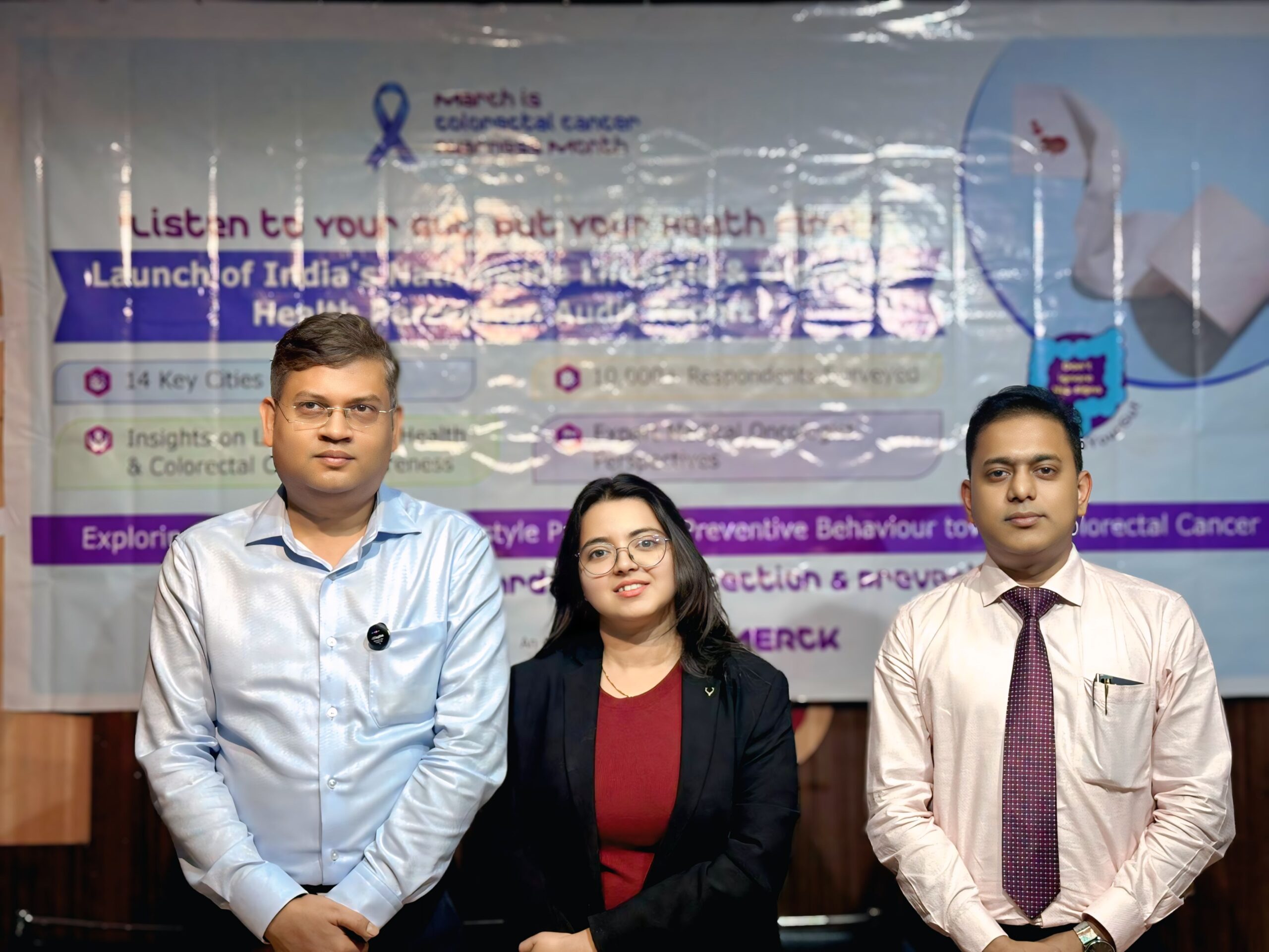
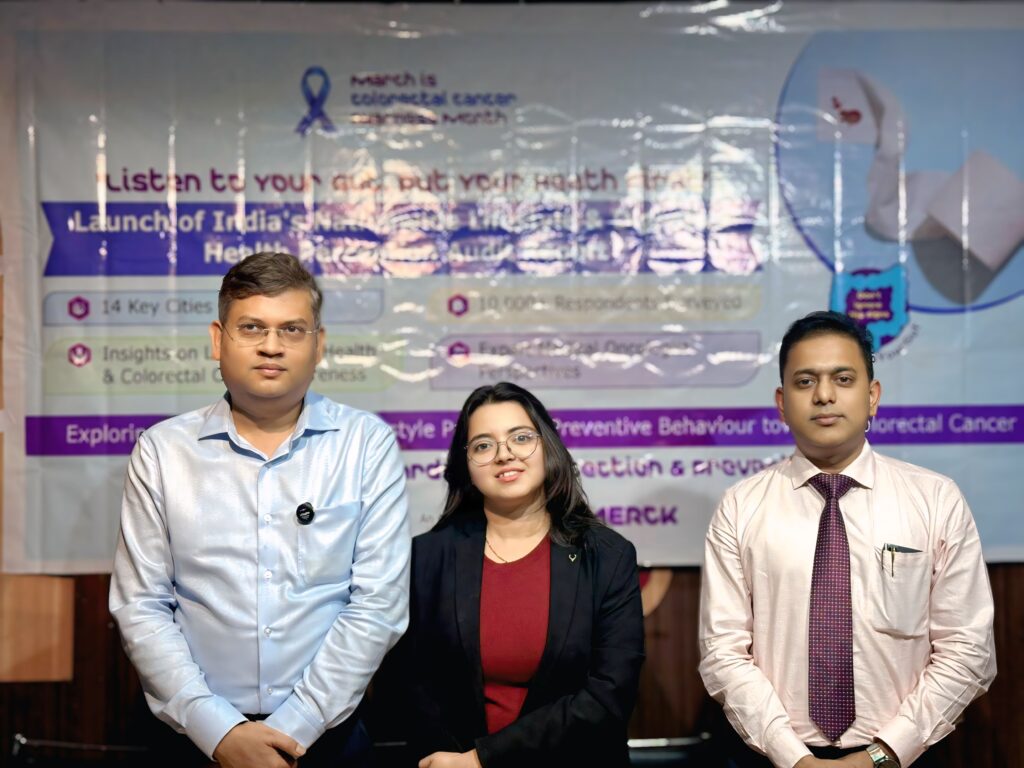
Experts at a recent press conference in Kolkata emphasized the need for immediate action. Dr. Poulami Basu, Consultant Medical & Hemato Oncologist at Netaji Subhas Chandra Bose Cancer Centre & Research Institute, explained: “Colorectal cancer often begins subtly with symptoms like persistent bowel habit changes, blood in stool, abdominal discomfort, unexplained weight loss, or fatigue. Risk factors include low-fiber diets, obesity, sedentary behavior, and tobacco. Early screening is key—don’t ignore changes; timely detection dramatically improves outcomes.”
Dr. Sudeep Das, HOD & Consultant Medical & Hemato Oncologist at Manipal Hospital, added: “Many misinterpret or ignore digestive symptoms, relying on home remedies instead of medical evaluation. This delay reduces the chances of catching cancer at a treatable stage.”
Dr. Sanchayan Mandal, Consultant Medical & Hemato Oncologist at HCG Cancer Hospital, stressed prevention: “Lifestyle plays a major role in rising incidence. Frequent processed food intake, lack of exercise, tobacco use, and low physical activity heighten risk. A fiber-rich diet, regular exercise, tobacco avoidance, and routine screening can significantly lower it.”
Health authorities and oncologists are calling for heightened public education, encouraging anyone experiencing persistent digestive symptoms—especially blood in stool or unexplained bowel changes—to consult a doctor promptly rather than self-medicate. With colorectal cancer increasingly affecting younger adults due to modern lifestyles, early awareness and proactive screening could save countless lives in Kolkata and beyond.
For more information on colorectal cancer symptoms, risk factors, and screening, consult a healthcare professional. Stay informed—early action matters.