


102 Vision Centres Across 10 Districts to Combine Eye Care, Women’s Empowerment, Technology and Local Livelihoods
Kolkata, August 28, 2026: Eye care is increasingly becoming more than just a healthcare service, with Susrut Eye Foundation & Research Centre and Orbis International joining hands to build a community-driven model that brings together accessible eye care, technology, women’s empowerment and livelihood creation.
The partnership aims to take quality eye care beyond hospital walls by strengthening community-level services and exploring innovative technology-enabled solutions across West Bengal.
102 Vision Centres Reaching 5.7 Million People
Susrut currently operates 102 Vision Centres across 10 districts of West Bengal, covering a combined primary catchment population of approximately 5.7 million people.
More than 3 lakh patients access care through the Vision Centre network every year. In 2026 alone, the network has conducted 3,600+ vision camps and facilitates approximately 19,704 referral surgeries annually.
The model is designed to ensure that patients can access eye-care services closer to their homes while receiving timely referrals for specialist treatment.
Eye Care Creating Local Livelihoods
A key feature of Susrut’s model is its focus on creating local healthcare entrepreneurs.
During 2025–26, Susrut trained 140 vision-care technical personnel as local micro-entrepreneurs, with 92% recruited from the communities they serve. Importantly, 63% of these personnel are women.
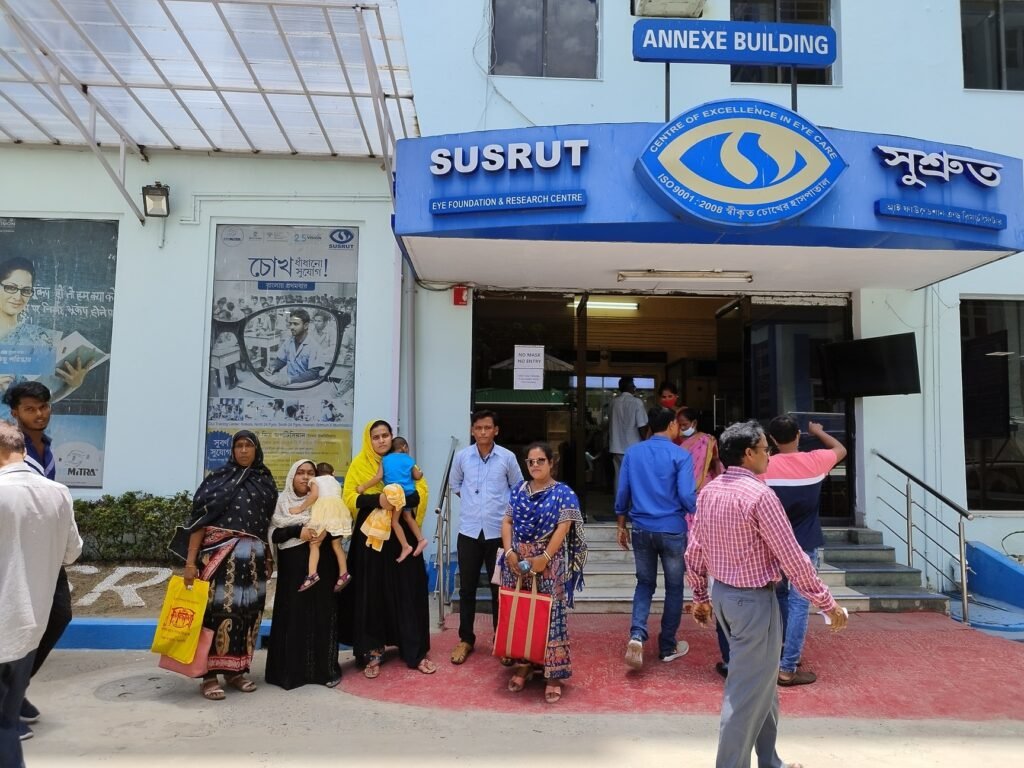
These trained Vision Centre managers are equipped and mentored to manage their centres, provide essential eye-care services and connect patients with appropriate specialist care.
The approach aims to ensure that healthcare infrastructure also creates employment, professional skills and economic opportunities within local communities.
Bridging the Gap Between Communities and Hospitals
During 2025–26, Susrut performed more than 85,000 surgeries across its network.
However, the organisation believes that the journey towards restored vision often begins much earlier—through community awareness programmes, screening camps, household interactions and nearby Vision Centres.
For children struggling to see in classrooms, women delaying treatment due to family responsibilities, or elderly people living with cataracts because specialist care is far away, early access can make a significant difference.
Susrut’s community-based approach seeks to create a complete pathway from awareness and screening to diagnosis, referral, treatment and follow-up.
Women at the Heart of the Model
Women face several barriers to timely eye-care access, including financial dependence, mobility challenges, caregiving responsibilities and limited access to health information.
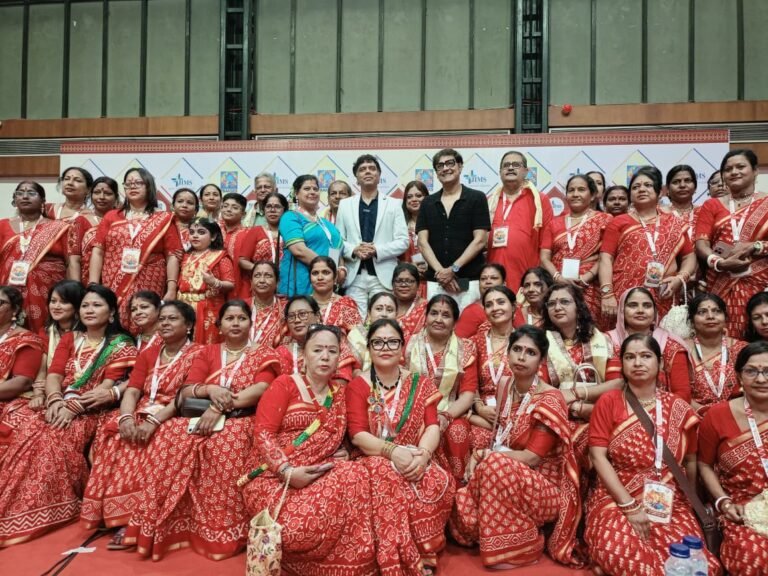
The Susrut model seeks to address these challenges by positioning women not only as beneficiaries of healthcare but also as healthcare providers and entrepreneurs.
A trained woman managing a Vision Centre can help families identify eye-health problems, encourage timely treatment, facilitate referrals and support patients throughout their treatment journey—while simultaneously building a livelihood and professional career within her own community.
Technology to Transform Eye Care
The partnership with Orbis International, a global leader in eye care, brings technology and medical training into the next phase of the initiative.
Susrut and Orbis will explore the use of digital technologies, connected diagnostics, tele-ophthalmology, remote consultations and data-driven referral systems to strengthen the Vision Centre network.
For a geographically diverse state such as West Bengal, technology could help reduce the dependence of specialist care on physical distance and connect patients more efficiently with medical expertise.
Eye Health as a Wider Development Challenge
The partnership also highlights the connection between eye health and broader social and health challenges.
For children, nutrition, Vitamin A status and immunisation remain important factors in preventing avoidable vision loss. Among adults, the growing prevalence of diabetes and other metabolic conditions is increasing the risk of diabetic eye disease.
Women also continue to face additional barriers in accessing timely diagnosis and treatment.
A Model with Ambitions Beyond Bengal
The Susrut–Orbis partnership seeks to build more than an expanded network of eye-care facilities. Its larger vision is to create an ecosystem where healthcare access, technology, local entrepreneurship and livelihoods reinforce one another.
By placing communities and women at the centre of its approach, Susrut aims to demonstrate how sustainable eye-care systems can simultaneously improve access to treatment and create economic opportunities.
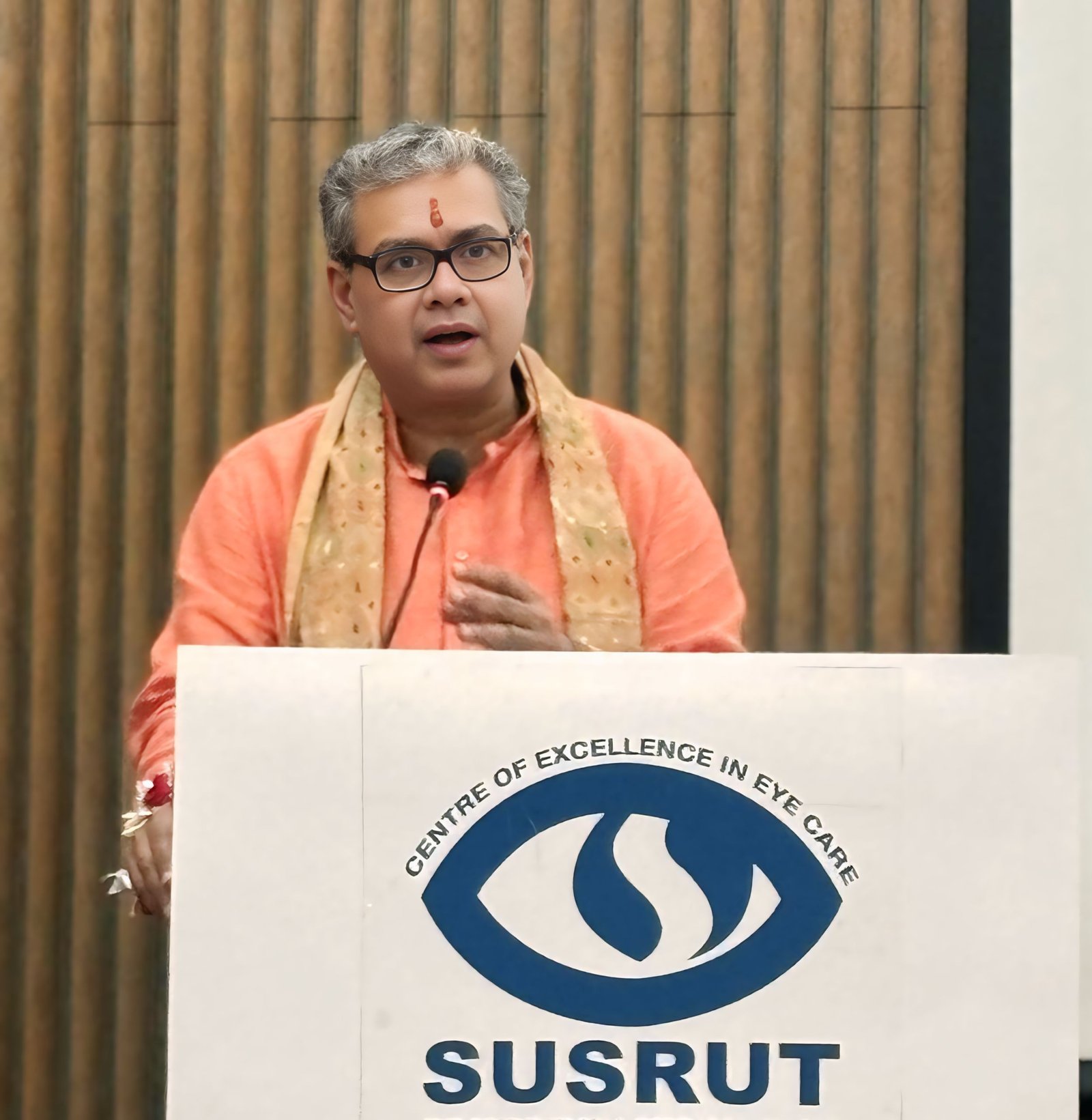
Ratish Chandra Paul, Secretary, Susrut Eye Foundation & Research Centre, said the initiative reflects a broader vision of making eye care accessible, sustainable and community-driven.