


Dakshin Dinajpur, June 4: In a significant step towards strengthening drowning prevention efforts in India, a delegation from the United Kingdom-based Royal National Lifeboat Institution (RNLI) visited Dakshin Dinajpur, West Bengal, to review community-led safety initiatives and interact with residents whose lives have been transformed through life-saving training programmes.
The visit comes amid growing global concern over drowning-related fatalities. According to the World Health Organization (WHO), nearly 300,000 people lose their lives to drowning every year worldwide, making it one of the leading yet often overlooked causes of preventable deaths. India accounts for a substantial share of these fatalities, with West Bengal identified as one of the country’s most vulnerable states.
Working in alignment with the Government of India’s National Strategy for Prevention of Unintentional Injury and WHO recommendations, Child In Need Institute (CINI) has been implementing a range of drowning prevention interventions across the state. These include supervised childcare centres under the KAVACH programme, CPR and rescue training, swimming and water-safety education, and extensive community awareness campaigns aimed at reducing preventable deaths.
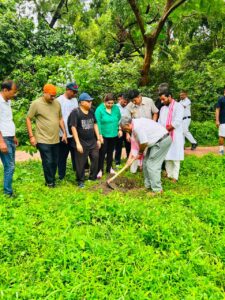
The RNLI delegation, comprising James Paul Young and Phoebe May Chipchase, visited project sites across Dakshin Dinajpur to witness first-hand how these interventions are creating measurable impact at the grassroots level. They were accompanied by Sujoy Roy, Lead Injury Prevention and National Advocacy Officer at CINI.
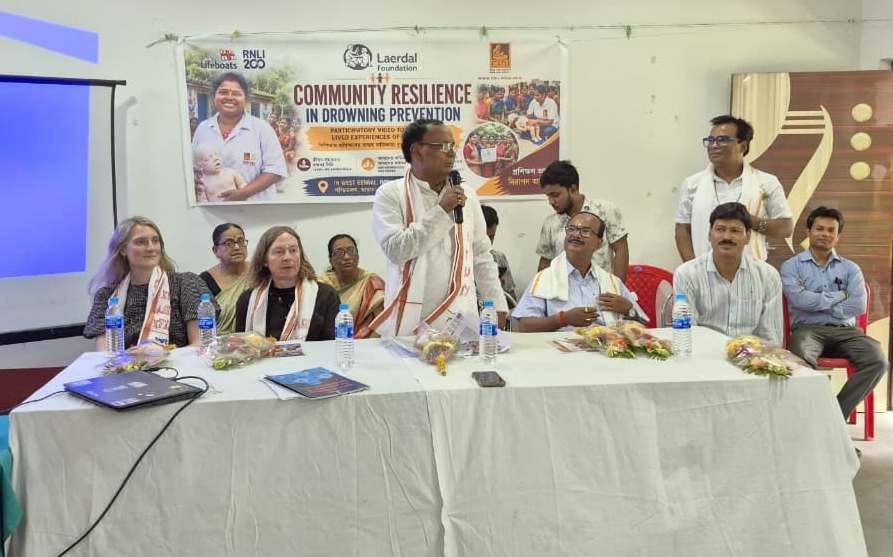
A community interaction programme, organised in collaboration with Nari Mukti Mahila Samiti, brought together local leaders, master trainers, project beneficiaries, and residents. The event was attended by Gangarampur MLA Satyendra Nath Roy, who lauded the initiative and stressed the need for stronger collective action to tackle drowning as a critical public health challenge.
One of the key highlights of the visit was the launch of a five-day Participatory Video for Most Significant Change (PVMSC) initiative. Under this programme, trained community members will document their personal experiences through video storytelling, highlighting how drowning prevention efforts and CPR training have enhanced their knowledge, preparedness, and confidence in responding to emergencies.
During field visits, the RNLI representatives interacted with women volunteers and community members who had received CPR training. Discussions focused on changing attitudes towards drowning prevention, emergency response preparedness, and the growing role of local communities in safeguarding vulnerable populations.
“Drowning is not an accident; it is a preventable public health issue,” said Sujoy Roy. “Through collaboration among government agencies, civil society organisations, and communities, many avoidable deaths can be prevented. Our vision is to help build a child-friendly society where children can grow up safely and where preventable injuries and deaths are significantly reduced.”
Phoebe May Chipchase of RNLI underscored the importance of community participation in measuring impact. “When people tell their own stories, those stories become powerful tools for learning, advocacy, and change. The PVMSC process provides that opportunity,” she said.
The programme also featured cultural performances by members of the local Child Parliament, highlighting the importance of engaging young people in community development and safety initiatives.
Public health experts believe that increased awareness, safer childcare arrangements, CPR training, swimming skills, and active community participation can play a crucial role in reducing drowning-related deaths. The ongoing initiative in West Bengal is increasingly being seen as a model of how national policy, local leadership, and community action can work together to save lives and build safer communities.