




Kolkata, June 26, 2026: Primus Partners, in collaboration with ASSOCHAM, unveiled a landmark report titled “The ₹134 Lakh Crore Question: How India’s Family Businesses Must Move from Custodians to Creators”, highlighting the massive opportunity and urgent need for succession planning, governance reforms, and innovation-led growth among India’s family-run businesses.
The report was released during ASSOCHAM Eastern Region’s inaugural Growth Driven Family Business Conclave in Kolkata, where Primus Partners served as the Knowledge Partner.
According to the report, family-owned enterprises contribute nearly 75% of India’s GDP, account for 80% of all businesses, and employ a majority of the country’s workforce. With an estimated USD 1.6 trillion (around ₹134 lakh crore) in family business assets expected to transition across generations over the next decade, the report stresses the importance of structured succession planning, stronger governance, and future-focused leadership.
The study identifies a growing “readiness gap” between ownership transfer and leadership preparedness, warning that the next phase of value creation will depend on businesses institutionalizing leadership, embracing technology, and investing in innovation.
Speaking at the event, Devroop Dhar, Co-founder and CEO of Primus Partners, said family businesses have long been the backbone of India’s economy, but the coming decade will demand a shift from preserving legacy to creating future value through leadership development, institution-building, and strategic reinvention.
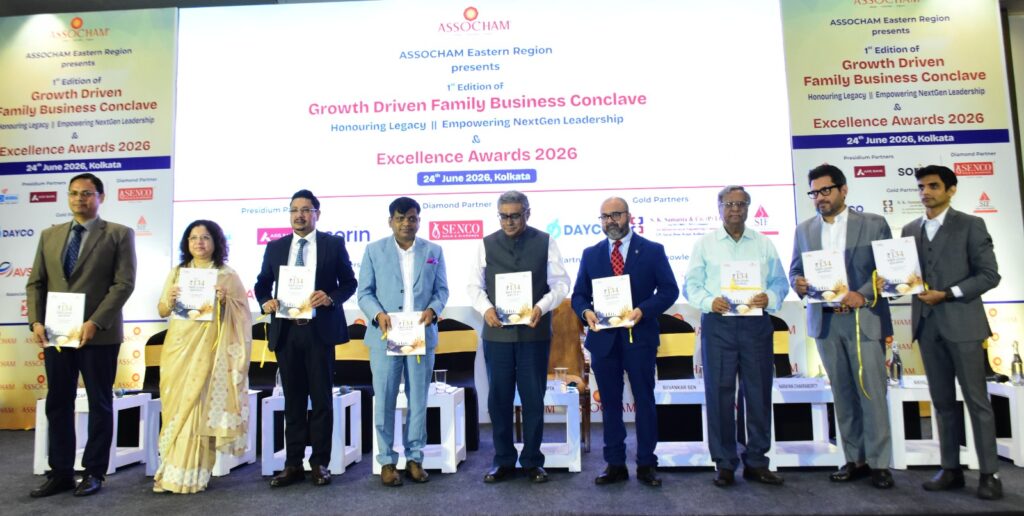
Suvankar Sen, Co-Chairman of ASSOCHAM National Council for Capital & Commodity Markets, said family enterprises must strengthen governance, adopt professional management, and pursue long-term growth strategies to remain competitive across generations.
The report introduces a practical 3P Framework for family businesses:
- Plan: Build structured succession and leadership development.
- Prepare: Strengthen governance and professional management.
- Pursue: Invest in innovation and future growth opportunities.
As India moves toward becoming a developed economy, the report concludes that the decisions taken by family businesses today will play a defining role in shaping the country’s future investment, entrepreneurship, employment, and industrial growth.