


Kolkata | January 10, 2026
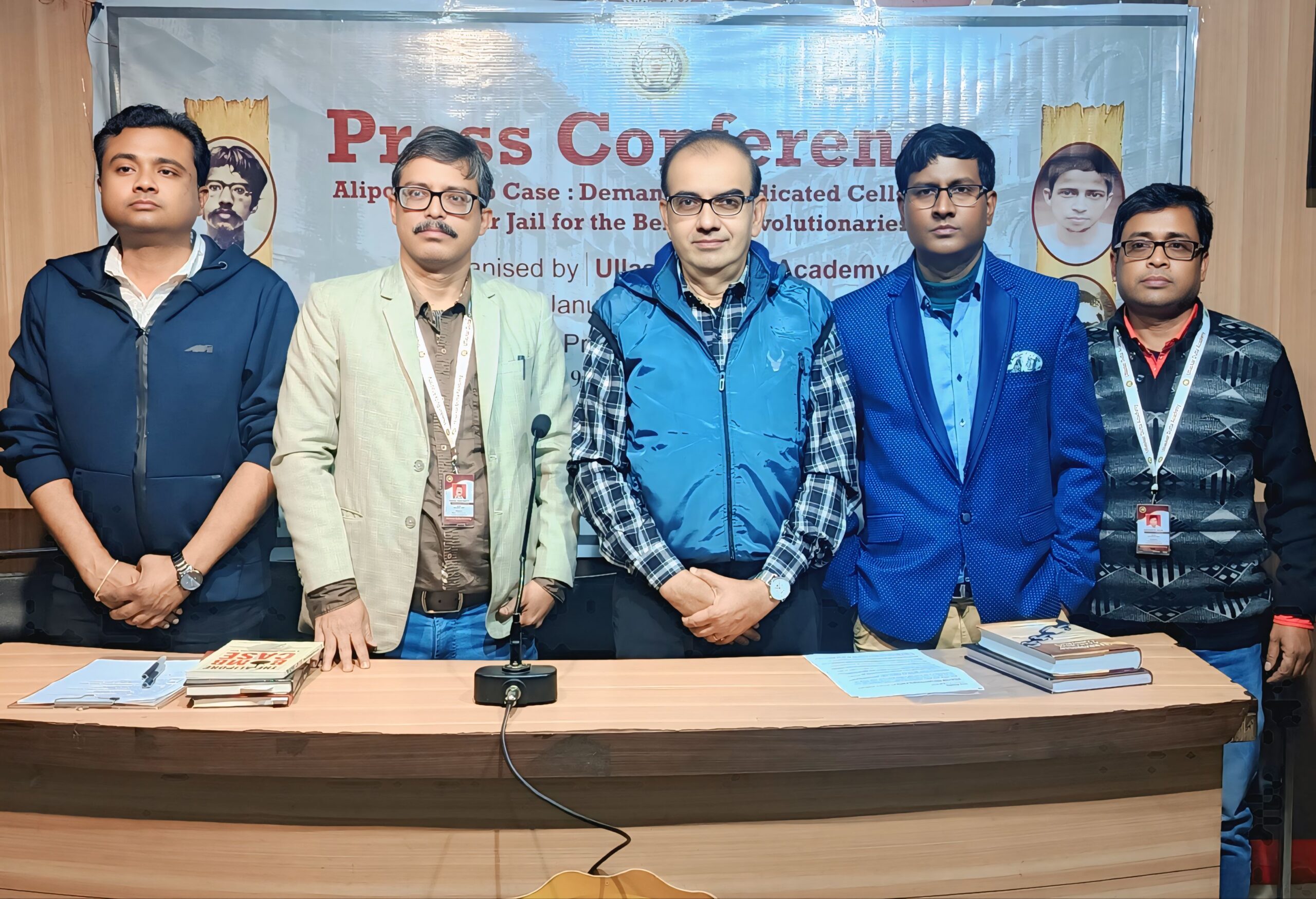
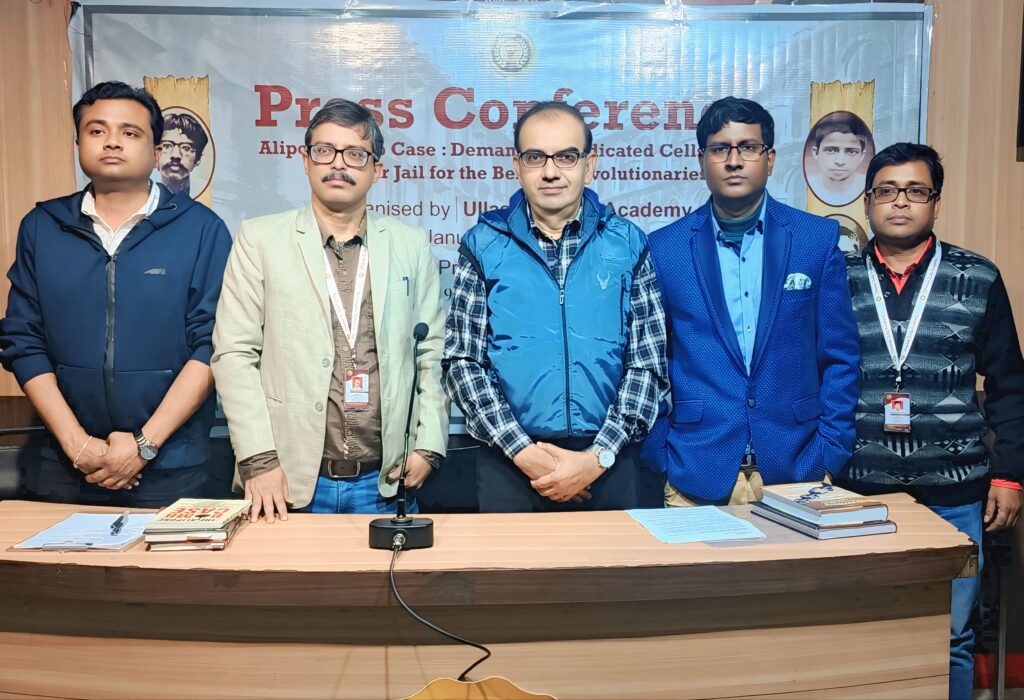
In a powerful appeal aimed at preserving India’s freedom struggle in its truest and most balanced form, the Ullaskar Dutta Academy has urged the Central Government, the West Bengal Government, and the Andaman & Nicobar Islands Administration to dedicate separate memorial cells in the Andaman Cellular Jail for the twelve revolutionaries convicted in the historic Alipore Conspiracy Case (1908–1909).
The Academy подчеркed that these twelve Bengali revolutionaries were among the earliest political prisoners of the Indian freedom movement, forming the first large group to be sentenced for anti-colonial revolutionary activities. They endured extreme physical and mental torture in the Cellular Jail, yet their sacrifices played a decisive role in awakening India’s nationalist consciousness during the formative years of the struggle for independence.
Described as torchbearers of the “Agni Yuga”, these revolutionaries devoted their lives to the liberation of the motherland. The Academy stressed that their contribution extends far beyond their own time and deserves formal recognition as an integral chapter of India’s national history.
Drawing parallels with the Ministry of Home Affairs’ decision to dedicate separate cells in the Cellular Jail in memory of Vinayak Damodar Savarkar and Sachindra Nath Sanyal, the Academy stated that extending similar recognition to the Alipore Conspiracy Case revolutionaries would bring historical balance and inclusivity to the narrative of India’s freedom movement.
According to the Ullaskar Dutta Academy, implementing this proposal would not only honour the courage and sacrifice of these lesser-discussed freedom fighters but would also significantly enrich the ongoing national effort to preserve and present India’s revolutionary heritage with dignity and accuracy.
The initiative is being seen as a landmark step toward restoring due honour to unsung heroes who endured unimaginable suffering in the Andaman Cellular Jail for the cause of India’s independence.