



Burdwan, 19 June 2025: In a testament to the life-saving potential of timely cardiac care and advanced technology, Manipal Hospital, Dhakuria successfully implanted a Cardiac Resynchronization Therapy Device with Defibrillator (CRT-D) in a 38-year-old farmer from Burdwan, restoring his health, strength, and livelihood.
According to recent findings by the Cardiological Society of India, over 40% of cardiac patients in tier-2 and rural areas receive delayed intervention, often being referred only after their condition has significantly deteriorated. This case is a powerful counter to that narrative, showcasing how swift diagnosis and intervention can reverse even critical heart conditions.
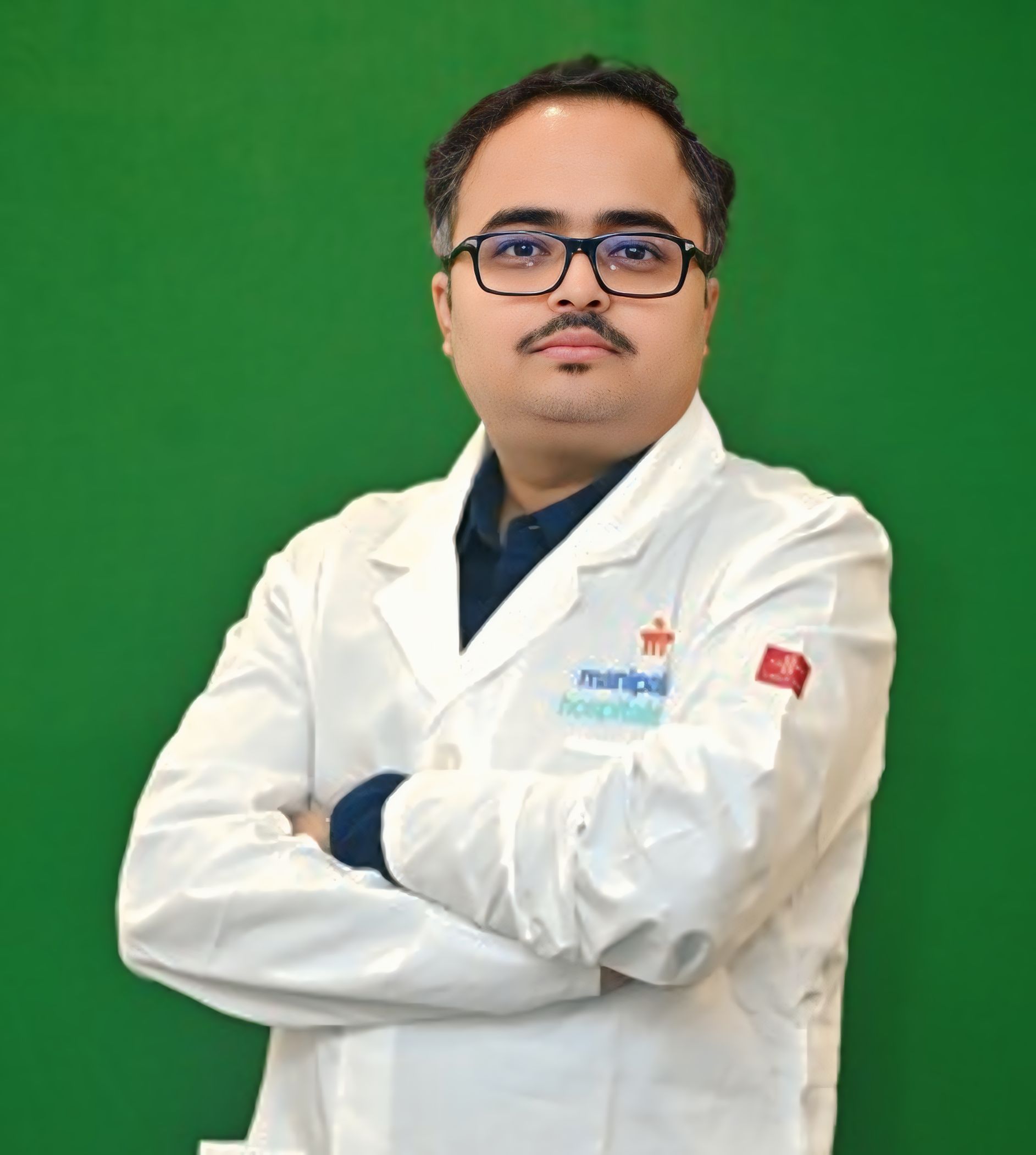
The patient was rushed to Manipal Hospital, Dhakuria, after experiencing intense chest pain. Under the care of Dr. Sumanta Chatterjee, Consultant Cardiologist, initial tests confirmed an Anterior Wall Myocardial Infarction (AWMI)—a severe heart attack resulting from a complete blockage in the Left Anterior Descending (LAD) artery. His heart’s ejection fraction, a measure of its pumping ability, had plummeted to 30%.
He was immediately taken to the Cath Lab, where a stent was inserted to restore blood flow. The patient recovered and was discharged within three days. However, over the following three months, he continued to suffer from shortness of breath, fatigue during mild activity, and Paroxysmal Nocturnal Dyspnea (PND)—symptoms indicating persistent heart failure and electrical desynchronization in his cardiac rhythm.
Recognizing the urgency, Dr. Chatterjee and his team opted to implant a CRT-D device—a sophisticated system that not only resynchronizes the heart’s electrical activity to improve pumping efficiency but also includes a built-in defibrillator to prevent sudden cardiac death. The procedure was successful, and within weeks, the patient’s heart function improved to 45%. More importantly, he returned to working his fields—full of energy and optimism.
“When the patient first arrived, he was at high risk of heart failure — his condition could have cost him not just his health, but his livelihood,” said Dr. Chatterjee. “Through a combination of swift emergency care and advanced cardiac device therapy, we did not just save a